
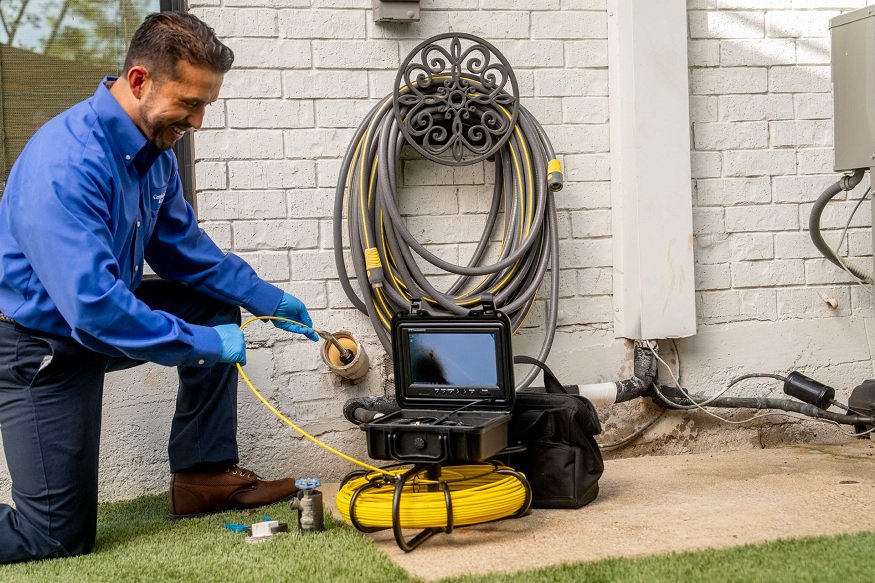
Wastewater from sinks, toilets, showers, and appliances is carried away by a domestic sewage line, which operates silently under a building. Since the majority of the system is subterranean, emerging issues may go undetected until they manifest as sluggish drains, offensive smells, strange sounds, or wastewater backups. Homeowners in Houston may find it simpler to identify warning indicators and schedule repairs before the issue worsens if they are aware of the typical causes of sewage line damage.
Infiltration Of Tree Roots Into Sewer Pipes
One of the most well-known causes of subterranean sewer issues is tree root infiltration. Naturally, roots go towards regions with nutrients and moisture. Roots may enter a sewage pipe if it has a minor fracture, a loose connection, or a damaged junction.
Once roots get inside the pipe, they may keep expanding and progressively limit the flow of wastewater. The obstruction might become worse when debris gets stuck around the roots. In more severe cases, root development may put greater strain on pipe segments that are already fragile.
When persistent drainage problems arise, Houston residents may schedule a professional sewer inspection Houston to determine if the problem is root-related. Finding the intrusion’s location and extent is crucial for choosing the best remediation strategy.
Deteriorating And Aging Sewer Materials
Although sewer lines are intended for long-term usage, no subterranean plumbing material is permanent. Sewer pipes on older Houston houses may have been exposed to soil conditions, dampness, effluent, and natural ground movement for decades.
Over time, connections may weaken, pipe walls may erode, and minor flaws may grow into more serious structural issues. A sewage line’s material, age, installation quality, and surrounding environment all affect its condition.
Instead of presuming that every sluggish drain is an isolated blockage, homeowners with older plumbing systems should be aware of recurrent symptoms.
Movement Of The Ground Near Subterranean Lines
The performance of sewage lines may also be impacted by soil movement. Buried pipelines may be stressed by variations in moisture levels, settlement, building activities, and other ground conditions.
Pipes may fracture, or connections may split when portions of a sewage system move. The line’s slope may also be impacted in some circumstances. Subterranean structure alterations may be a factor in recurring drainage issues since sewer systems depend on appropriate placement to transfer wastewater effectively.
Plumbing experts may do a sewer inspection in Houston to learn more about locations where the pipe has been broken, moved, or otherwise affected.
Grease And Debris Buildup
Not all sewer issues start with structural problems. The plumbing system may progressively accumulate materials that enter domestic drains. Restrictions may result from food particles, cooking oil, hygiene products, and other inappropriate items.
Because it may cool and adhere to pipe surfaces, grease is especially problematic. Then, more material may adhere to the accumulation, decreasing the amount of area that wastewater may flow through.
This danger may be decreased with good home practices. Toilets should normally be used for human waste and appropriate toilet paper, and cooking oils and grease should be disposed of properly rather than dumped into drains.
Sewer Pipes That Are Broken Or Collapsed
A sewage pipe may ultimately partly or totally collapse due to severe degradation, external pressure, or substantial ground movement. Wastewater may not flow through the system regularly as a consequence, which might lead to significant backups.
Several drains slowing down simultaneously, recurring toilet issues, sewage odors, abnormally moist areas outdoors, or wastewater returning down lower drains are common warning indicators.
Determining what is going on beneath is crucial when considering sewage line repair since these symptoms might have a variety of reasons.
Poor Pipe Connections And Installation
Sewer line dependability may be affected for years by installation quality. Areas where wastewater and trash often accumulate may be caused by improper slope, weak connections, inappropriate materials, or poorly aligned sections.
These problems may not be readily apparent. When the plumbing system is subjected to frequent usage and environmental stress, issues may arise gradually.
Resolving Sewer Issues Before They Get Worse
Seldom do sewer line problems get better on their own. Ignoring a little fracture, root incursion, or growing blockage might make it more troublesome. Instead of depending only on temporary clog treatment, Houston residents who see recurring drainage issues should think about having the subterranean line examined.
Read More: Exploring the Importance of Quiet Hand Dryers in Specific Sectors 1076
Routine drain problems may be differentiated from structural sewer damage with prompt detection. Property owners may make smarter choices about sewage line repair and safeguard the dependable functioning of their home plumbing system by being aware of frequent reasons, including tree roots, aging materials, ground movement, debris collection, and installation issues.